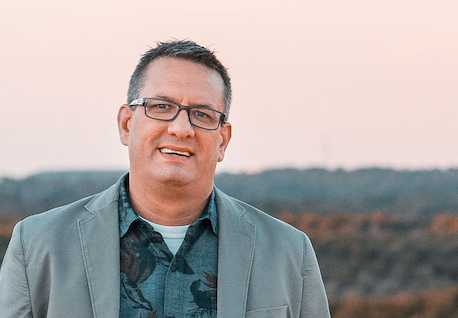
In this episode of the Backstage Pastors Podcast™️ Phil and Tyler interview Jeremy Peterson, Executive Pastor at One Church in New Hampshire and a leader involved with the XP Summit. Jeremy shares his ministry journey from student ministry in Texas to leadership roles in multi-site churches and eventually serving in New England—one of the most unchurched regions in the United States. He explains the unique leadership and staffing challenges of ministry in that environment and how his church has responded by developing local leaders.
Jeremy discusses the creation of a residency program at One Church to raise up leaders internally, emphasizing hands-on ministry training and leadership development. He also explains the purpose and structure of the XP Summit, a gathering designed specifically for executive pastors to connect, learn, and support each other in ministry leadership.
CHAPTERS
03:00 Why the podcast originally paused five years ago
07:00 Podcast swag and upcoming conferences
09:30 Introducing guest Jeremy Peterson10:00 Jeremy’s ministry journey from Texas to New England
13:00 Ministry challenges in unchurched regions
19:00 Building a residency program for leadership development
25:00 The story and purpose of the XP Summit
34:00 Final reflections and upcoming guests
– –
Editing and Support by The Good Podcast Co.
BP_Episode 04_Jeremy Peterson
[00:00:00] Phil: Hello and welcome to the Backstage Pastors podcast, conversations and Content, specifically designed for executive pastors and second chair leaders in the church and nonprofit world. I’m your host, Phil Taylor. With me as always, is my co-host Tyler Ditz. Tyler, we are in the beginning of March. You are a month away from your first gathering in a brand new building for you guys there at Formation Church.
How you feeling?
[00:00:37] Tyler: I, I am so excited. Our first Easter in this building, we’re very excited about. We’ve got some great plans. We’re gonna do some service planning. I know some of my mega church friends might be wondering why we haven’t had the plan solidified for several years now. But. You know, we’ve been kind of playing catch up as we moved into the building in July.
And just really excited by God’s grace through our company, Ridgeline Printing. They are running a [00:01:00] sale on door hangers and we don’t have the kind of finances to play the social media game with all the other churches playing that. And so we’re gonna go old school grassroots and print off a bunch of door hangers and walk around to all the local neighborhoods.
Throw a door hanger on and see what it does. ’cause what I know about a door hanger and this is just a little, little tip for anybody. A door hanger has to be touched. No one’s gonna just leave it on their door forever. If you do a mailer, it can go in with the stack. That door hanger’s gonna stand alone.
And so we’re gonna give it a try and see what God has for us. So we’re really, really excited. How about you Any. Anything big coming up? Any projects you guys have to finish with Plain Joe or anything like that?
[00:01:40] Phil: Well, you know, Easter is always an interesting time on the plain Joe side because we lose all attention from our pastors that we’re working with for about two weeks before Easter and about a week after Easter.
So it gets to be kind of a. Oddly quiet time. I actually plugged in a a writing retreat for the week after Easter [00:02:00] to work on my Wow, look you third book ’cause I’m like, no pastor is gonna respond to my emails the week after Easter. It’s just not gonna happen. So I thought that’s, that’s
[00:02:09] Tyler: true. Tell me about this third book, though.
[00:02:10] Phil: It’s gonna be on church building projects.
[00:02:13] Tyler: Ooh. Alright.
[00:02:13] Phil: So, yeah, so I’ve got a a, a little partnership that our company does with the Unstuck Group. We’re doing a church building projects masterclass actually tomorrow. So if you happen to be listening this on the day that it comes out you could still sign up tomorrow at the Unstuck Group.
But even if you, even if you’re not. They’ll make it available in some sort of a replay as a webinar on their website. But yeah, it’s gonna be all about church building projects and so, wow. I’m also working on a book related to that. So yeah. All good stuff. Love it. And for those who have been following along for our first few episodes, you may notice, especially for those that are watching on YouTube, that we are now both audio and video.
Tyler kind of a big [00:03:00] deal here for us, right?
[00:03:01] Tyler: For
[00:03:01] Phil: sure.
[00:03:01] Tyler: For sure.
[00:03:02] Phil: I good. And I’ve got a little bit of
[00:03:03] Tyler: a, you know,
[00:03:04] Phil: right. Change the, you know, fix your hair a little bit better. Yeah, yeah, yeah. Get the lighting right. But but yeah, we a little bit of a confession here as to why, why that, why that happened that way.
[00:03:16] Tyler: Okay.
[00:03:16] Phil: So,
[00:03:17] Tyler: all right.
[00:03:18] Phil: So, people haven’t, you know, people wouldn’t know this, but we actually recorded five or six episodes five years ago. And so for those watching on YouTube, you’ll see that the first three episodes were just kind of a static image on YouTube. And now we’ve switched to to audio and video.
[00:03:41] Tyler: Wow, that’s awesome. So I mean, to your point, we did have those five or six episodes fully recorded. They were edited, ready to go, and we had the artwork done, preview videos created. The whole thing was lined up and ready to launch, and then. There were quite a bit of unexpected craziness hit that sort of threw a wrench in the plan and made [00:04:00] this podcast not a blip on either of our radars.
Why don’t you let us know a little bit more about that?
[00:04:04] Phil: Yeah. Going back five years ago, really actually just a few days after we started recording I unfortunately lost my mom to cancer. And then very shortly thereafter that my, my dad who had a pretty bad dementia at the time needed additional care and, and he then passed and in the midst of all of that craziness, our my church world was going through some unique challenges that caused us to put the podcast to the side. And then, you know, a few months later, really right about the time that we would’ve said, Hey, it’s time to pick this thing back up and let’s get these episodes out and let ’em see the world.
Right about that time, I had an unexpected medical issue called an aortic. Dissection, you can Google it, it’s not good. But needless to say after a crazy surgery two weeks in the hospital, I ended up needing a six months of recovery after that medical issue.
[00:04:57] Tyler: Wow.
[00:04:58] Phil: In the midst of that, I ended up [00:05:00] changing my role and all of a sudden then I was traveling a couple times a month working with churches all over the country through Plain Joe Studios.
And the podcast just kind of got like deprioritized.
[00:05:14] Tyler: Sure. Yeah. You know, and, and, you know, didn’t return void by any means. ’cause last year the church hub reached out, asked if you’re considering to do another podcast. Gave a fun opportunity to bring back a few of the favorite episodes from that we did a few years ago.
Gave me a call, wondered if I’d be interested in joining again. I said yes. You know, after we listened to them, we realized there was a little cleanup some things we needed to pull out. I remember we were recording right as COVID was brand new and no one really understood. And we were like, well, let’s maybe not talk about it referencing that.
’cause what if it’s a blip? Yeah. What if it’s just a blip? I remember that conversation. It was not, but that’s all right. And now we’re here at episode four. So we’ve got all brand new content. There’ll be audio and video and so. For those of you out there, I’m still getting used to this kind of idea of video [00:06:00] podcast.
I just noticed my Netflix has squares for podcasts now. It’s sort of blowing my mind ’cause I’m a old school. I, I, I find at 43 I’m aging myself and so now I’m in a place where I’ve, I’ve sort of set in my ways and I don’t know if I’ll be watching many podcasts, but for those of you out there that want to, you can do that as well.
[00:06:18] Phil: It’s actually interesting. I was looking at the stats the other day, Tyler just outta curiosity, I was surprised, one, that at episode four we’ve actually seen a pretty significant number of downloads and views, but I was also really surprised to see that a very high percentage of them are being viewed on YouTube and so, Oh.
Great. With that in mind,
[00:06:37] Tyler: who knows?
[00:06:37] Phil: Knowing that
[00:06:38] Tyler: apparently I’m in the minority, right?
[00:06:41] Phil: I guess but knowing that a lot of our, our, our listeners are also viewers, I thought it would be fun to do a little unboxing here on our first audio and video episode for episode four. So, I did pre-cut it, so it’s, it’s not a full unboxing.
Okay. But
[00:06:59] Tyler: I’m gonna, [00:07:00] this is genuinely, I’ve seen these before. This is genuinely the first time you’re taking a look. I’ve always wondered if the Okay. Host or whoever had cheated before. So just let us know. Do you know what’s in there or no? There we go.
[00:07:10] Phil: I know, I know what’s in here.
[00:07:12] Tyler: Okay. Okay. Got it.
Got it.
[00:07:14] Phil: And, and because I had to approve the, the proof. Ah, okay. I, I know what they look like. Okay.
[00:07:19] Tyler: Fair.
[00:07:19] Phil: So it’s not like, it’s not like some random box that showed up on my porch.
[00:07:22] Tyler: Okay. Okay. That’s good.
[00:07:25] Phil: All right. So here we go. This’ll make more sense here in a minute. But we’ve got got a box here.
You can kind of see it’s looking, you see the logo on there? And we’ve got some. I’m gonna take one of these out. This looks like a dime bag for drugs, doesn’t it, Tyler? Not, it does. A little
[00:07:42] Tyler: bit. Our pill
[00:07:42] Phil: bag
[00:07:43] Tyler: maybe.
[00:07:44] Phil: How would I know? Alright, so this is our logo, Tyler.
[00:07:47] Tyler: Oh, cool.
[00:07:47] Phil: You can see it. I love that.
See right there on the wall? Yeah. Right?
[00:07:50] Tyler: Oh yeah. Nice pin.
[00:07:50] Phil: And these are just little pins. And I wanted to have just a little piece of swag. I love swag. I wanted to have a little piece of swag to be able to give out to listeners when [00:08:00] I run into people at conferences. Love it. And so, yeah, that’s what those are for.
You could come and ask me for a backstage pastor’s pin the next time you run into me somewhere.
[00:08:10] Tyler: Well, and you mentioned conferences, but you’ve actually got a few on the calendar coming up, right? That people could get these pins?
[00:08:16] Phil: That’s right. I’ll be at the Exponential Conference for the first part of it, just Monday and Tuesday.
I’ve gotta get to another thing with the church after that for a few days. But if you happen to find me the first couple of days at Exponential in Orlando, it’s kind of the big one. And then I’ll also be at the XP Summit in Dallas. In May. Okay. And of course we’re interviewing here in just a minute.
We’re interviewing one of the guys who runs that. And I’ll probably be at the Vineyard conference this summer in New Jersey. There might be others. I’m still trying to nail down a couple of things. But anyway, you find me coming coming and ask me, and I will have a few of these in my bag. So I’ll have one to give you.
[00:08:56] Tyler: Awesome. Well, let’s get into our interview with Jeremy Peterson. He’s the [00:09:00] XB at one church in New Hampshire and helps run the XP Summit. Here’s our conversation.
[00:09:08] Phil: Jeremy Peterson. You are an executive pastor in New Hampshire at one church. You guys have five. Campuses there in New Hampshire. You’ve been in ministry for 20 years in both New Hampshire and in Texas, and your bio says that you love helping teams implement new systems, processes, or best practices to become more productive.
Jeremy, I couldn’t imagine a, a more XP ish statement than that. So, welcome to the show. It’s good to have you on here today.
[00:09:41] Jeremy: Cool. Thanks for having me, Phil.
[00:09:43] Phil: Well, we’ve gotten to know each other a little bit as you’ve been in my most recent online cohort through the church hub. But and we’ll get into the XP Summit in a little bit.
You helped run that. But I’d love to just start off by hearing a little bit of your ministry journey, your XP journey, [00:10:00] you know, how did you go through? Texas, New Hampshire, all of it. Give us, give us a little bit of a window into your XP journey.
[00:10:08] Jeremy: Yeah, so right out of college just gotten married. We ended up in in the, in the Houston area, kind of the west side of Houston.
And the pathway for a lot of us at the time was starting with student ministry. And so, oversaw junior high high school ministry. I really loved doing that was a part of a growing, thriving church in that space and we thought that God may be calling us to go and plant a church either somewhere in Texas or I have a lot of family on the West coast.
And so we thought maybe that was the pathway God had for us. We went through the assessment. For sure we were gonna plant a church. In the midst of all that, I was talking to another church in the Dallas area and they were exploring something called multi-site, which I’ve never heard of this idea of multi-site before.
What did that look like? And they asked me if I’d be interested in leading one of their campuses. And so pivot that to a season. The, the makeup of the church there. The Dallas area was in person [00:11:00] preaching. And so you would do preaching and you led the team at that location. So it was a little unique.
It felt a little more like church planning without having to raise all the funds like most church planners don’t wanna do. And so, did that for a season. And, and kind of throughout that just felt God continued to move. I realized that. That leadership and developing other leaders was probably more of my wheelhouse than preaching itself.
And so kind of always wrestled through like, you know, am I called to preach? Really feel like I’m called to lead. Probably more than preach, even though I do enjoy preaching from time to time, and. And actually an organization that we partnered with at the time that was planting churches in New England.
We would lead trips out there once a year. And of course they always had us come out in like September, October when the weather’s amazing in New England and you’re like, man, this is, this is really great. Can’t imagine myself living here. But but we, we would go up there once a year. I would take teams and we’d really help other.
Like plant other churches in the New England area. It’s a very unchurched area. It’s kind of ironic I said I would never end up on the mission [00:12:00] field. As somebody who grew up as a missionary kid, my parents were missionaries for 25 years in Mexico. I said God, I don’t think missions is something I’ve ever really called to.
And here we are in New England, probably one of the most unchurched regions and it’s been pretty incredible what God’s been. Doing and I just thankful that I get to be a part of it. Now as the executive pastor really kind of lead the day-to-day operations and ministry side of things.
[00:12:22] Tyler: That’s awesome. So Jeremy, you and I both serve in what a lot of people would call difficult soil. I’m in the Salt Lake City area, you’re in New England. So when you first stepped into ministry there, what felt heavier or harder than you expected? You know, the fact that someone else, hearing that that’s where you’re at and feeling like that’s difficult, do you resonate with that or do you feel like that’s kind of hype?
Just walk me through that.
[00:12:45] Jeremy: Yeah, so there’s definitely some unique challenges, right? And being in an area that’s, that’s much more insur that that’s very unchurched. And so I would say some of the challenges initially moving here was staffing. For some reason a lot of people feel like, you know, called to either like California or Florida [00:13:00] or Texas.
Not a lot of people feel uncalled to to New England. So that was one of our challenges early on was really the staffing side of things. Like, I’m not kidding. I’m not even sure it was the best. Practice, but it was not uncommon to like post a part-time worship leader position on Craigslist in Dallas and literally get like three or four completely qualified candidates in the Dallas area that were, you know, that that could do the job.
Not the case in New England knowledge, people not feeling called here. And so that’s been one of our challenges is, you know, how do we develop staff how do we. Find people that are feeling called to be a part of this region and how do we help them get connected? And so that’s been one of our one of our challenges.
I would say. One of the beauties of it is you don’t have a lot of people like hopping from church to church. And so we haven’t had a lot of people that’s like, you know, this is our fifth church that we visited. There’s just not a lot of churches in the area. Mm-hmm. And so one of the cool things is I mean, God’s just been moving.
We just celebrated over 4,000 baptisms in the last [00:14:00] 12 years here. And so I just, again, to be able to be a part of something like that, that’s you know, pretty invigorating and, and challenging as well, obviously if you have that much rapid growth and a lot of incredible believers, and there’s challenges with that too.
So it’s been quite the, quite, quite the journey so far.
[00:14:14] Tyler: Totally. Well, and I was pretty naive about the difficulty facing and even kind of made light of it, people would wonder where we’re going to plant and I would say, salt Lake City, and you’d get that. Oh. And I’m like, I don’t know. But people are people.
It’s in the us. Come on, it’s not gonna be, and. So I, I, as I’ve been here for a few years, I understand the comments people have made. So were you more eyes wide open going into it, or did you feel like you kind of came into it and that that took you off guard?
[00:14:42] Jeremy: Yeah, I, I mean, I didn’t really know what to expect.
I mean, I would have conversations in the Dallas area at Starbucks with somebody that I didn’t know and. Conversations would o oftentimes be something along the lines of like, Hey, where do you go to church? Or, you know, where your, where does your family go to church? Mm-hmm. The first time I had that conversation here, somebody asked me [00:15:00] what the FL was talking about.
So a little bit, a little bit different than sure. Than being in, in Texas. But I mean, just some incredible. Opportunities. One, a big core value of ours is to fail fast and cheap. And so we really want people to try things, pioneer things and take some risks on things. So in the Dallas area it was not hard to go to a church that ran 10,000 plus and have a conversation with them and learn from them.
There aren’t churches of five or 10,000 plus in this area. And so we’ve really kind of instilled that with our staff is we feel like we’re pioneering new territory. Most church plants, you guys probably know this, but most church plants won’t go to communities that run unless they run like 20, 30,000 plus.
Mm-hmm. Most of New England is more rural, and so a lot of these towns are five, 10,000 people where churches are closing a lot faster than they’re opening. And so we’re looking at, okay, well what does rule of ministry look like? And develop communicators that can help lead in those smaller communities.
That’s [00:16:00] something that we’re kind of exploring with right now and trying that and and seeing what God does.
[00:16:05] Phil: That’s awesome. That’s, that’s really cool. Yeah, it’s funny, I, I had the opposite experience to you, Jeremy. I so I grew up just in, in the Boston area, or at least the kind of second, second half of my childhood.
I was actually born in Canada, but then moved to Boston at 12 years old and lived there. My parents were from there. My dad was a pastor. Twice in Massachusetts and finished his, his ministry career in Maine. And so I, you know, I spent, I’ve spent a lot of time in New England, both living there and visiting there and you know, have a, just a deep, deep love for that area.
And then went to college in Philadelphia and and then when I went to seminary actually in Dallas, Texas I remember when we got there, my wife and I were just like. Whoa, look at the size of that church and then like, whoa. There’s another one. I think we were driving down like Northwest Highway in, in Dallas, and like, like, holy crap.
Look at the size of that one. There’s another one. Like we just,
[00:16:57] Jeremy: yeah. All
[00:16:57] Phil: over the place. Couldn’t believe right. How big all these [00:17:00] churches were. And I remember like my first day at work, I was working at like the mall just part-time during seminary and I, you know, I met somebody, I mentioned that I was there for se, for seminary and.
And they were like, oh yeah, what church are you going to? And I was like, mentioned we hadn’t, we were looking for one. And, and then I was like, wait a minute, are you, are you a Christian? And they’re like, yeah. And I’m like, I am too. We we’ll have to connect. And they’re like, I don’t know what the big deal is, and I’m like, oh, okay.
So this is really different than New England and the Northeast in general. Oh, yeah. Where when you meet somebody who’s a Christian, it’s like, you know, suddenly there’s this bond because there aren’t that many of you, you know? So, yeah, I totally, I totally get that. You know, at one point you had mentioned this was in a, a conversation we had, I think on the cohort or something, but you had mentioned that you guys actually started, a residency program there at one church because you kept finding that people were sort of failing out. [00:18:00] Just talk a little bit about like the process of learning that and then starting that program and how that’s gone. Give us a window into that a little bit.
[00:18:08] Jeremy: Yeah, so early on we were hiring staff from sometimes it’d be like Illinois, Kansas, and the idea of being in New England was like.
Something exciting because they knew how unsure the area was and we realized that a lot of times there was, there was not a connection or they feeling kind of called to go back home where they. Where they came from and we realized that one of the biggest needs that we had was a residency program.
So, actually a former baseball player who’s now retired was a part of our church and he actually grew up in in the New England area. He was having lunch with myself and our senior pastor one day, and we were just sharing with him the challenge of like, we don’t really have the people that we need.
Like we have incredible opportunity. We just can’t develop people quick enough. And so he literally kind of spent the next 30, 40 minutes walking us through double aaa, going from there to the majors and what that whole [00:19:00] process looked like in the whole farm system. And that’s when a light bulb went on for us and we’re like, well.
We could do that. Like let’s build a residency where we can have people spend a year, two years with us. And really pour into them. And so, so our residency director Jason, he’s been phenomenal. He’s actually on a recruiting trip right now. But we really feel like if we can have people here with us for a year, two years, we can really pour into them.
They buy into the vision, the mission of the church what we’re called to do. And they’re really like all in on it. Man. The retention rate and some of the residents that we have right now are just, are incredible. As a matter of fact, one of the next locations that we launch will be by a guy who’s in his mid twenties who spent the last couple years with us been preaching.
We give a very hands-on approach and so we do in-person preaching at all of our locations. And so we have locations that range from 50 some to. 1200 people and so they get reps whether it’s, you know, leading worship working with [00:20:00] students preaching on a Sunday morning. And so that’s been incredibly powerful and really helpful for us to continue to grow and to go to some of these more rural communities.
[00:20:09] Tyler: Wow.
[00:20:09] Phil: Yeah, I think the residency program has been a big deal in the last few years in the church world. And you know, it, it, there are churches that are doing it really well and there are churches that, that have just sort of have it. It doesn’t, it just sort of, it’s there but they’re not really doing much with it.
And I love that you referenced that, that you’re a guy who runs the residency program was on a recruiting trip because I think so often when churches start residency programs. They just kind of go, well, we’re just gonna wait for Jesus to send us somebody. And I love that you guys are actually like out there scouting people.
So talk about that a little bit. Where did that happen? You know?
[00:20:46] Jeremy: Yeah, I mean, so there’ve been several colleges seminaries that we’ve reached out to and we’ve had connections with them. And so a lot of times it’s, he’s actually going and he’s taking two of our current residents with him. And so we feel like that’s what been one of the [00:21:00] best ways to recruit is to go to some of these colleges.
They usually will have like a, a weekend where they’re talking. You know, future opportunities, some of those things. And so, so we’re actually sending two of our residents along with him just to be able, I mean, ’cause they’re actually the best recruiters, the ones who are currently in the residency program.
They’re usually the best to help us recruit other people. And so, so yeah, so currently hopefully if they’re able to get outta the storm today that we’re going through, then they’ll be able to be there and connect with some people and see if God’s calling them to this to this area.
[00:21:31] Tyler: Yeah, that, that’s so amazing. I, I really resonate with that. In some of these more difficult places, we just continue to see over and over again that just bringing in outside leaders or outside people and plopping them in doesn’t always work the way that people, and sometimes, but not always into.
Training locals seems to not just be a strategy, but more about survival. So how has raising up those leaders from within changed the health and the sustainability of the church? How would you kind of compare that to what you’ve seen in other scenarios? [00:22:00]
[00:22:00] Jeremy: Yeah, honestly, I think Tyler’s really helped some of our director team grow in different capacities.
And so that’s been one of the beautiful things is, is our resident part, one of our core values is having fun. And so as a team, like. If we’re not having fun the residents aren’t gonna be having fun, but I feel like the residents have actually brought and kind of breathe life into our director team.
So it’s a very hands-on approach. It’s, it’s, it’s less about the academic aspect of it. They will have like some class time on Thursday, but more of it is really about like, hands-on approach. And so, understanding what it looks like to put a service together. Actually being on stage and saying, Hey, you’re gonna actually lead worship this week.
And it’s not just like the, the stage side of things, but really kind of the behind the scene aspect of it. So we really look at it almost like a, more like a medical residency. Like we want them to hand have hands-on experience. And so if one of our pastors is is gonna be doing a funeral for somebody, like we want the resident to go along with them and spend time like whether it’s at the hospital with a family, whatever, that may be like [00:23:00] very, very hands on approach to see like.
Because there’s, there’s parts of ministry that can not obviously be incredibly invigorating. There’s some parts of it that can be very challenging and frustrating, and we wanna give them kinda like full scope and full access to where we’re really not trying to like hide or protect them from anything, but give them really a full on, Hey, here’s, here’s what ministry is really about.
And so for them to be able to see that kind of be in the trenches with some of our team. Really kind of helps them kind of grow their insight into, okay, this is what really ministry. It’s like, it’s, yes, there’s a Sunday morning, you’re on stage for an hour. But there’s so much more kind of behind the scenes that, that they really aren’t aware of.
So as much visibility as we can give them into that we feel like it really kind of develops them and is, is helpful for kind of us as a team as whole.
[00:23:44] Tyler: Wow. That’s great,
[00:23:46] Phil: Jeremy. Man, it’s, it’s always good to be able to talk to a fellow Northeasterner. You know, we’re, we’re, the church world is often so focused on the big mega church in, in the south or [00:24:00] west Coast or whatever it might be.
And you guys have actually managed to, to grow something of decent size in, in New England, which as you know, is, is pretty. Pretty rare to be able to have a, a multi-campus, five campus church up there is pretty amazing. And you had mentioned that prior to that you were in, in Texas, and so that’s where the XP summit is, which you’re a part of.
Tell us about the XP Summit. I think, did you help start the XP summit? Is that right?
[00:24:27] Jeremy: No, actually I, I didn’t, I didn’t start it. The XB Summit is. Been around for, I would say probably 20 plus years. It started like years and years back. I think 20 plus years ago there wasn’t really anything for executive pastors.
And so it was a group of, I think like five or six churches that were running like a thousand plus and they’re like, Hey, there’s really nothing for us. Let’s, let’s get together. But as you know, like. You do that for a year and then it’s like, Hey, next year I wanna bring one of my buddies, and then they bring somebody else.
And so it kind of began grown organically year after year, after year [00:25:00] until until about 2020. It had gotten to the point where. The, the organic aspect of it, it was like there weren’t the details and the logistics involved that were that were needed. And so, so in 2020 CDF capital who who really kind of helps churches either move into locations or go from a portable to a permanent location they were the kind of the primary sponsor behind it.
And so that’s when they loop me in to it to say like, Hey, we, we really still want this to be for executive pastors, by executive pastors. And that’s kind of really the heartbeat behind it. And they’re like, we don’t wanna lose that. And so moving forward, we wanna add a little more structure to it. And so, so as somebody who.
Kinda loves, like details, organizing kinda the behind the scenes aspect of it. When they asked me about it I ran it by our leadership team and, and they’re like, absolutely. Our elders and senior pastor have a huge heart just to help the local church as a whole. So stepped into it. This will be my fifth year helping with it.
And really the goal is it’s, it’s a few things. One of them is just to provide [00:26:00] great connections. And so as somebody is, you know, you get, you serve as an executive pastor there really aren’t a lot of opportunities to make some really great connections and unless you’re very intentional about it I feel like a lot of guys, unfortunately, because so many people report to them, they feel somewhat like isolated.
And so I feel like it’s a great chance to, to make some great connections. We worked really hard on the content aspect of it as well. And so, so we really want people who are either currently executive pastors or have been executive pastors in some capacity to be a big part of like the one contributing and providing content to it.
And that ends up leading to like incredible conversations. So when you mix the, Hey, here’s, it’s a smaller event, we try to cap it at like 150 executive pastors, so you can still have conversations, you can make some connections. Like this year’s theme specifically kind of tied into the residency is really about leading up.
And so a lot of us. A lot of executive pastors that I know are, you know, are in their fifties now and they’re really trying to figure out, you know, who are some people that we can bring into [00:27:00] this in the future. There’s some, whether it’s residents coming in or somebody that you’ve identified that I feel like this person has some leadership capacity.
How do we really kind of pour in and develop them? And so. So this year we’re having Katie Cole who’s done a lot into like, developing female leaders. She’s gonna be a part of the Executive Pastor Summit. Dan Ryland who served as an executive pastor for years and years. I, I think it was actually John Maxwell’s executive pastor for years, which I, even the idea of like being Maxwell’s executive pastor Yeah, I’m just like.
I’m not sure how anybody could, anybody could come mind
[00:27:32] Phil: that
[00:27:33] Jeremy: could do that.
[00:27:34] Phil: And then he went to 12 Stone after that and it’s been
[00:27:36] Jeremy: there. Oh yeah. Then he’s at 12 Stone. And so, so people like him. I know Phil, you’re gonna be there doing a breakout. I’m gonna be there as well. And several of the other guys who are executive pastors guys and gals who really just kind of like really wanna pour into leaders develop some of these conversations.
And a big part of it are, are huddles. And so, groups of like 10 to 12 executive pastors, directors who. Will actually spend a couple days together. [00:28:00] And I, and that’s kind of how I initially got looped into this. It was my first year as an executive pastor. Somebody invited me to this and was able to sit in a room with 10 or 12 other executive pastors exchanged information with them.
And like, to this day, some of them have been incredibly helpful and insightful. Sometimes some of my first calls, if we’re navigating something difficult or challenging. And so I think that’s one of the biggest, beauties, I think of the executive pastor Summit is making some of these connections.
We’re on the front end this year, we’re actually doing a couple of like pre-conference things. One specifically with Katie Cole on women in leadership and growing in that role developing as a female leader. And then we’re doing one specifically for. People who are new to the executive pastor role an opportunity for them to connect with some more seasoned executive pastors and do kind of this pre-conference side of things.
And so, so yeah, looking forward to it this year it’s gonna it’s May 4th through sixth xb summit.org is the website and you can see all the different speakers, contributors that are gonna be a part of it. And yeah, it’s just, it’s a good time to hang out. Pretty low [00:29:00] key. We really don’t, there’s really not like any like hype or anything like that behind it.
It’s like, Hey, show up, make some connections, here’s some great content. And be a part of those those conversations. So yeah. Looking forward to, to this year in Dallas.
[00:29:12] Phil: Man, it’s gonna be great. I it’s funny, as you were going through the list of some of the people that you’ve got coming, I, I feel like you had just opened up the file between Tyler and I of the various guests we have on the podcast, because I think we’re, we’re interviewing Katie Cole next week.
I think Dan, we’re trying to, we’re trying to schedule Dan Ryland right now. My my nephew actually works at Dan Ryland’s Church as one of his sort of XPS over a campus. And you actually have him speaking as well. You’ve got my nephew Ryland Fox, Oh, yeah. Speaking. And he was, he was an XP resident with me, so Okay.
You know, firm believer in the, in the resident side. So he, he, he did a residency under me and then took a job with. With 12 Stone, and I’m sure he’ll be an XP at some point in his journey, but he’s running a campus right now. But yeah, that’ll be really cool to have Dan there and [00:30:00] Ryland. And yeah, and yeah, I’m, I’m super, just looking forward to being a part of this event.
I don’t know how I hadn’t heard about it before because I’ve certainly been around the XP world for a while, and somehow it just was never on my radar, so I’m super excited to take part in it this year.
[00:30:17] Jeremy: Yeah, it’s really not a, a, something that like is promoted or they spend much money doing that.
It’s more of just the ongoing connections and so a lot of people that are there have been invited by somebody at some point. And so yeah. Looking forward to having you said he is your nephew. Yeah,
[00:30:31] Phil: Ry
[00:30:32] Jeremy: this gonna be there. So yeah, really kind of wanna have a combination of like younger voices that are in that executive leadership role as well as some people that have been doing it for, for a long time.
But but yeah, it’s interesting. Every year there’s people that are like, I’ve never even, I’ve never even heard this. And I’m like, it’s been going on for for quite a while, but I just yeah, great people chance to connect. Some of the content will be incredible. One of the sessions I’m actually doing is, so the guy I mentioned Chris Carpenter who talked to Bill and I and, played with the Cardinals for [00:31:00] years. I’m actually doing a q and a with him for one of the sessions because, hi, his role has now transition, so now that he’s retired, really helping some of those guys making the transition from, from double A to triple A and then into the majors. And regardless of how like talented you are there’s such, so much of a, like a mental coaching aspect of it.
And so, doing a q and a with him for one of the sessions will be will be fun to to do.
[00:31:24] Tyler: Wow, that sounds like such a unique environment, a place where you’re not just taking notes, you’re building relationships, having conversations, and really I think getting those resources for when you’re faced with something you’ve never been faced with before, that just like having someone to call who can understand.
The perspective and how you need to look at. I just, I love that. So I, I definitely haven’t had an opportunity to go, but I’m definitely gonna make it a priority to attend whether this year or one of these upcoming years. I just, I’m very excited about what it is that you guys are doing and that it’s not just a regular conference with like one sort of breakout track that maybe would apply to an [00:32:00] executive pastor if he’s lucky.
This is like for them and I, I love that. So, Jeremy, man, we wanna thank you so much for taking a little time to be on the show today. Sharing some of your life, your ministry, and your wisdom with us, a huge help. And I’m sure it’s gonna be a help to anyone who listens.
[00:32:14] Jeremy: Cool. Well, thanks so much for having me, guys.
Excited for what you guys are doing and investing into other leaders across the country.
[00:32:19] Phil: Thanks, Jeremy.
[00:32:20] Tyler: Thank you.
[00:32:21] Jeremy: See you guys.
[00:32:28] Tyler: Man, Jeremy is such a strong, steady leader who’s serving faithfully at his church in New Hampshire, and I really respect the way he shows up week in and week out, and I love that he’s not just leading locally, he’s also making a real impact in the broader XP community through the XP Summit. So it’s been great to see how he’s using his influence to serve other leaders and not just in his own church.
[00:32:50] Phil: That’s right Tyler. He, his conference is one of the only two that are out there. I’m super excited to be at it this year, speaking at it. It’ll be my first time speaking at that [00:33:00] conference. And I’m gonna be doing some teaching on the soul related to the executive pastor world, which I did a little bit of writing on that in my book.
But if you know you’re gonna be at that conference you’re going to the XP summit. And you want to, you know, connect with me while we’re there. You wanna prearrange a time to do a, you know, a one-on-one meeting. You could send me an email at phil@backstagepastors.org. I’m gonna be in early and staying a little bit late.
So I do have some time before and after the conference. If you’re coming in. We can talk ministry, we could talk building projects, we can talk life. We could talk bourbon, whatever. Whatever you want to talk. We’ll, we’ll hang out.
[00:33:42] Tyler: I like those conversations, but regardless that, and that actually wraps up our very first video episode of the Ba Backstage Pastors Podcast.
We’re just getting started. We’ve got some incredible conversations lined up over the next few months, and you’re gonna hear from leaders like David Fletcher, Katie Cole, clay [00:34:00] Stroggins, Dan Ryland, Tim Stevens, rich Birch, and a few voices that you may not know yet, but you absolutely need to.
[00:34:07] Phil: Yeah, our next episode’s gonna be with David Fletcher.
He’s been serving executive pastors for, gosh, I think as long as that title has existed. He’ll be up later this month on the third Wednesday. Listeners, if you’d like to connect with me about the, about executive pastor coaching, you could check out backstage pastors.org. My email address is phil@backstagepastors.org.
If you’ve got any kind of building project. Master planning, architecture, kids ministry, theming, anything that what we like to call spatial storytelling needs that you’re working through at your church or your nonprofit or Christian school. You could check out some of our past work. At plain joe studios.com.
And then you could shoot me an email again at fill@backstagepastors.org and we’ll get a call scheduled to talk about those things.
[00:34:55] Tyler: You can get me at Tyler at my XP church. That’s MY [00:35:00] xp.church. And if you need any apparel, signage, or printing done right, check out Ridgeline Printing dot. Com fellow pastor and I started it to give churches a reliable place to get high quality products without the usual headaches or crazy costs.
You can find us@ridgelineprinting.com and to keep up with the podcast on social media. You can follow us at at Backstage Pastors on Instagram and Facebook.
[00:35:23] Phil: Backstage Pastors Podcast is brought to you by the Church Hub. The church hub serves pastors, ministry leaders and their spouses through equipping and training resources.
There’s some good cohorts that are listed on there right now. Check ’em out@thechurchhub.org. And lots of good things to be found@thechurchhop.org. We appreciate their support. Our podcast is produced by The Good Podcast Company. Our theme music was written by Seth k Tyler. We’ll see you on the next show.
[00:35:51] Tyler: See you later.